Get A Free Second Opinion Today!
If you’re asking “Am I really a good candidate for dental implants in Parker?” — you’re already asking the right question. Dental implants are one of the most effective tooth replacement options available today. But not everyone qualifies right away. Understanding what makes a strong candidate helps you walk into your consultation with confidence.
At Castlewood Dental, Dr. Ben Sirrine evaluates each patient individually. There’s no universal checklist that disqualifies you automatically. Many people who worry they won’t qualify are surprised to learn they’re excellent candidates.
What Does It Actually Mean to Be a Good Candidate for Dental Implants in Parker?
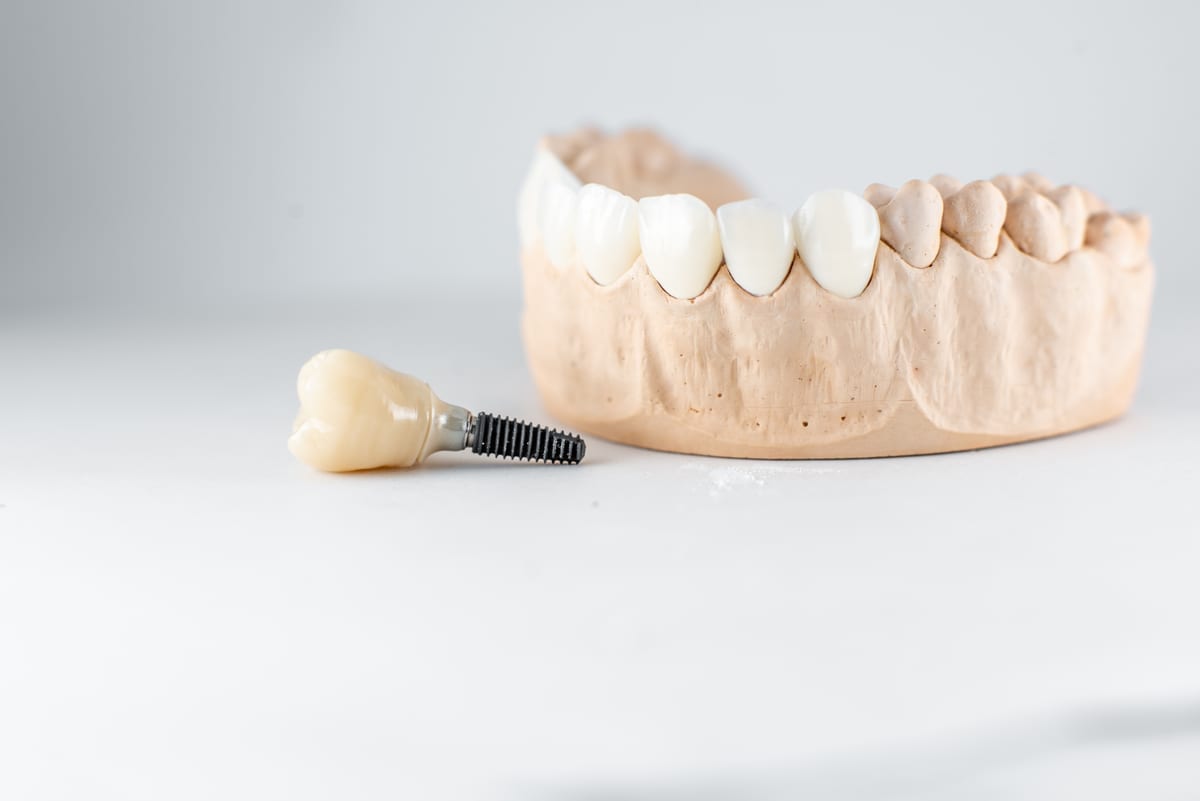
A dental implant is a titanium post placed into your jawbone. It acts as an artificial tooth root. For the implant to succeed, your body needs to fuse with that post over time. This process is called osseointegration.
Good candidacy comes down to a few key factors. Your jawbone must have enough density and volume to hold the implant. Your gums need to be healthy. And your overall health should support healing after a minor surgical procedure.
Most adults with missing teeth are potential candidates. The evaluation process at our Parker office helps Dr. Sirrine identify any barriers — and in many cases, those barriers can be treated before placing implants.
Does Age Affect Whether You Qualify for Dental Implants?
Age is rarely a disqualifying factor for dental implants. Adults of all ages — including patients in their 70s and 80s — can receive implants successfully. The key is overall health, not the number on your birthday.
However, younger patients face a different concern. Teenagers and young adults whose jaws are still developing are generally not good candidates yet. Implants placed before the jaw matures may shift or fail over time. Most dentists wait until a patient’s jaw is fully grown, typically around age 18 for women and slightly later for men.
If you’re a mature adult in Parker wondering whether you’re too old, the honest answer is: probably not. Dr. Sirrine reviews your health history and bone quality to give you a clear picture.
Bone Density and Gum Health: The Two Biggest Factors
Bone density is the most discussed factor in implant candidacy. An implant needs a solid foundation. If you’ve had a missing tooth for a long time, the jawbone in that area may have shrunk. This is called bone resorption.
Bone loss doesn’t automatically disqualify you. A procedure called bone grafting can rebuild the area before implant placement. It adds time to the process, but it makes implants possible for many patients who otherwise couldn’t have them.
Gum health matters just as much. Active gum disease creates a hostile environment for implants. Bacteria from infected gum tissue can attack the implant site. Treating gum disease first is an essential step for these patients.
Here are the key oral health factors Dr. Sirrine evaluates during your implant consultation:
- Jawbone density and volume at the implant site
- Presence of active gum disease or infection
- Health of surrounding teeth and tissue
- History of tooth loss and how long the site has been empty
- Overall bite alignment and jaw function
Health Conditions and Lifestyle Habits That Affect Candidacy
Certain medical conditions can affect how well your body heals after implant surgery. This doesn’t mean you’re automatically excluded. It means your dentist needs a complete picture of your health.
Conditions that may require extra evaluation include:
- Uncontrolled diabetes — high blood sugar slows healing and increases infection risk
- Osteoporosis — affects bone quality throughout the body, including the jaw
- Autoimmune disorders — may affect tissue healing and implant integration
- Cancer treatment history — especially radiation to the head and neck area
- Heart conditions requiring blood thinners — affects surgical planning
Many patients with these conditions still receive implants successfully. The key is working with a dentist who coordinates with your medical team when needed. Dr. Sirrine takes a thorough medical history before making any recommendations.
What about smoking? Smoking is one of the most significant risk factors for implant failure. Tobacco reduces blood flow to the gums and slows healing. It also increases the risk of infection around the implant. Smokers can still receive implants, but success rates are lower. Quitting — even temporarily around the procedure — dramatically improves outcomes.
What Happens During Your Implant Candidacy Evaluation in Parker?
Your consultation at Castlewood Dental is thorough and pressure-free. Dr. Sirrine uses digital X-rays and, when needed, 3D cone beam imaging to assess your bone structure in detail. This technology reveals exactly how much bone is available and where nerves and sinuses are located.
During this visit, you can expect:
- A review of your dental and medical history
- A clinical exam of your teeth, gums, and bite
- Digital imaging to assess bone density and volume
- An honest conversation about your options and timeline
- A personalized treatment plan if you decide to move forward
If you’re not ready for implants today, Dr. Sirrine will explain what preparatory steps could make you a candidate. That might include gum disease treatment, bone grafting, or managing a health condition more effectively.
Dental implants connect directly to our broader approach to Cosmetic Dentistry at Castlewood Dental. Replacing missing teeth improves both your smile and your oral health long term. We also offer Family Dentistry services, so every member of your household can get the care they need under one roof.
Conclusion: Don’t Let Uncertainty Hold You Back
Most people who ask “Am I really a good candidate for dental implants in Parker?” are far closer to yes than they think. Age, health conditions, and even bone loss can often be addressed. The only way to know for certain is to have a qualified dentist evaluate your specific situation.
Dr. Ben Sirrine and the team at Castlewood Dental in Parker are here to give you honest, personalized answers. You deserve a complete smile and the confidence that comes with it. Book Now to schedule your appointment with our team.
Frequently Asked Questions
Can I get dental implants if I have bone loss in my jaw?
Yes, in many cases. Bone grafting can restore volume in areas where bone has shrunk. This procedure is performed before implant placement and adds a healing period to your timeline. Dr. Sirrine will assess whether grafting is right for your situation during your consultation.
How long does the dental implant process take from start to finish?
The timeline varies based on your individual needs. A straightforward implant case may take three to six months. If bone grafting or gum treatment is needed first, the process can take longer. Dr. Sirrine will give you a realistic timeline during your evaluation.
Does smoking automatically disqualify me from getting dental implants?
Smoking does not automatically disqualify you, but it does increase the risk of implant failure significantly. Smokers have higher rates of infection and slower healing. Quitting or reducing smoking before and after the procedure greatly improves your chances of long-term success.
Are dental implants suitable for older adults in Parker?
Absolutely. There is no upper age limit for dental implants. As long as you have adequate bone density and are in reasonable health, age alone is not a barrier. Many older adults in Parker receive implants and enjoy outstanding long-term results.
What is the difference between a dental implant and a dental bridge?
A dental bridge spans a gap by anchoring to neighboring teeth. A dental implant is a standalone replacement that goes directly into the jawbone. Implants do not require altering adjacent teeth and help preserve jawbone density over time. Your dentist will help you determine which option suits your needs best.

Unable to locate Global Block : 1468