Get A Free Second Opinion Today!


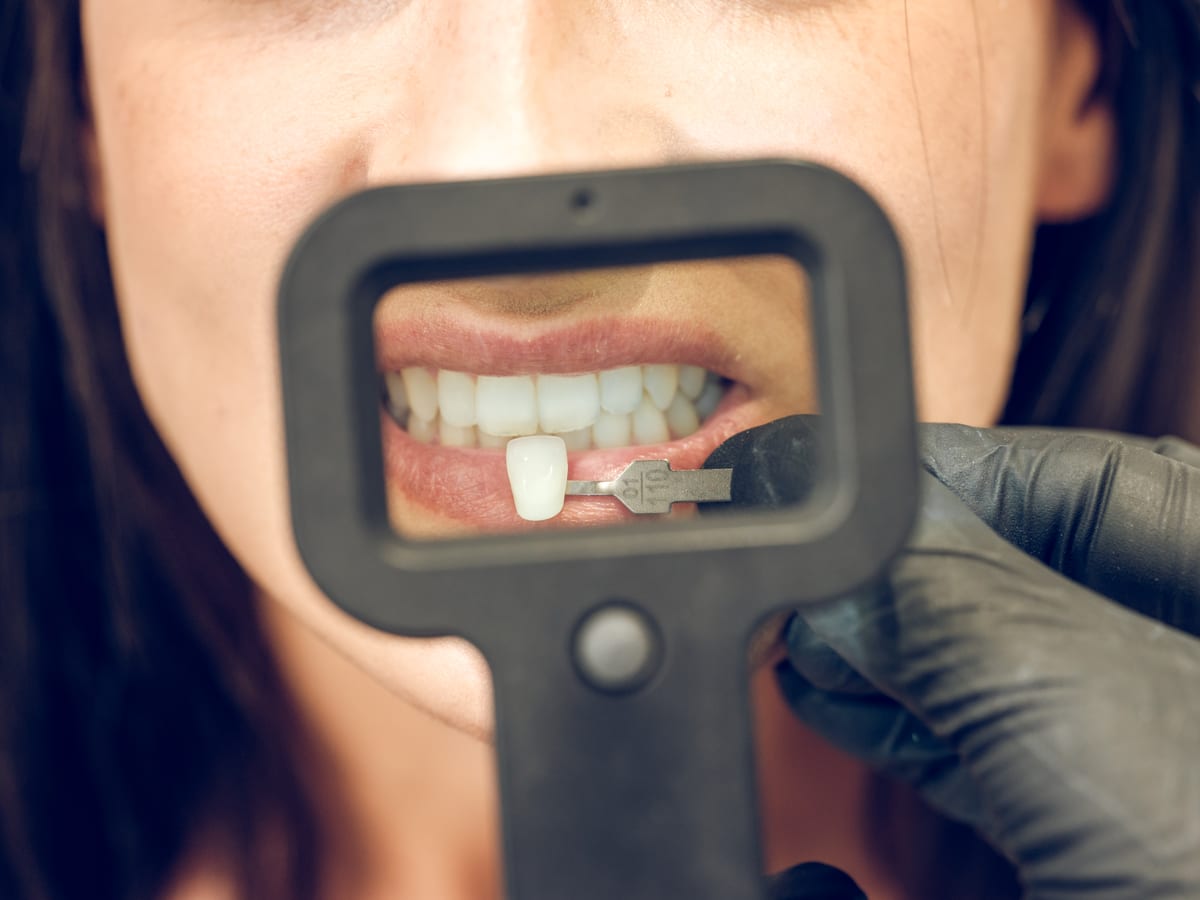
If you’ve been researching smile improvements, you’ve probably come across dental veneers. They’re one of the most popular options in Cosmetic Dentistry today — and for good reason. But there’s also a lot of confusion about what veneers can actually do. This guide breaks down dental veneers explained simply: what they really fix and what they don’t, especially for patients in the Meridian area of Parker, CO.
What Are Dental Veneers? A Clear Answer for Meridian Patients
Dental veneers are thin shells made from porcelain or composite resin. They bond directly to the front surface of your teeth. Think of them like a custom cover that improves the look of your smile without removing most of your natural tooth.
Porcelain veneers are the most durable and natural-looking option. They resist staining better than composite alternatives. Composite veneers cost less but may not last as long. Dr. Ben Sirrine at Castlewood Dental helps patients in Meridian choose the right type for their needs.
The process typically takes two to three appointments. Your dentist removes a small amount of enamel. Then an impression is taken and sent to a dental lab. When your veneers are ready, they’re bonded permanently to your teeth.
What Veneers Really Fix: Common Problems They Address
Veneers are highly effective at solving a specific range of cosmetic concerns. Understanding these helps you know whether veneers are the right solution for you.
Here are the most common problems veneers can fix:
- Stained or discolored teeth that don’t respond to whitening treatments
- Chipped or cracked teeth with minor structural damage
- Gaps between teeth that affect the overall look of your smile
- Slightly misaligned or uneven teeth that appear crooked
- Teeth that are too small or worn down from grinding
- Irregularly shaped teeth that stand out from the rest
Veneers work especially well for patients with multiple cosmetic concerns at once. Instead of addressing each issue separately, one set of veneers can create a uniform, polished smile. Many Meridian patients find this approach both efficient and satisfying.
It’s also worth noting that veneers are a permanent commitment. Because enamel is removed during placement, your teeth will always need veneers or another restoration afterward. This is an important factor to weigh before moving forward.
What Veneers Cannot Fix: Knowing the Limitations
This is where many patients get surprised. Veneers are a cosmetic solution — not a restorative one. They don’t address underlying dental health issues. Knowing these limits helps you make a smarter decision.
Veneers are not appropriate for the following situations:
- Severely decayed teeth — decay must be treated first before any veneer placement
- Teeth with significant structural damage — a crown may be a better fit
- Gum disease or active infection — these must be resolved before cosmetic work begins
- Severe misalignment or bite issues — orthodontic treatment addresses these more effectively
- Teeth grinding (bruxism) — untreated grinding can crack or destroy veneers over time
- Teeth that are too short or damaged to bond veneers securely
If you have active oral health concerns, Dr. Sirrine will address those first. Placing veneers over unhealthy teeth leads to problems down the road. A healthy foundation is always the priority at Castlewood Dental.
It’s also important to understand that veneers only cover the front of your teeth. They do nothing for the sides or back surfaces. If discoloration affects your entire tooth, a different treatment may serve you better.
Veneers vs. Other Cosmetic Options: How Do They Compare?
Veneers aren’t the only path to a better smile. Depending on your goals, another treatment might be a stronger fit. Understanding your options helps you have a more informed conversation with your dentist.
Teeth Whitening is a great option if discoloration is your only concern. It’s non-invasive and much more affordable. However, whitening doesn’t fix chips, gaps, or shape issues the way veneers do.
Dental Bonding uses composite resin to reshape or repair individual teeth. It’s less expensive than veneers and requires little to no enamel removal. But bonding doesn’t last as long and can stain more easily.
Dental Crowns cover the entire tooth rather than just the front surface. They’re a better choice when a tooth has significant structural damage. Veneers are more conservative — they preserve more natural tooth structure.
Invisalign may be recommended if your main concern is alignment. Straightening your teeth first can sometimes reduce the number of veneers you need. Dr. Sirrine may suggest a combined approach depending on your smile goals.
The Veneer Process at Castlewood Dental in Parker
Patients in Meridian visiting Castlewood Dental can expect a personalized, thorough experience. The process starts with a complete smile evaluation. Dr. Sirrine examines your teeth, gums, and bite before recommending veneers.
Here’s a general overview of what to expect:
- Consultation: Discuss your goals, review photos, and determine if veneers are right for you.
- Tooth Preparation: A thin layer of enamel is gently removed from the front surface.
- Impressions: Molds or digital scans are sent to a dental lab for fabrication.
- Temporary Veneers: You’ll wear temporary veneers while your permanent ones are made.
- Bonding Appointment: Your custom veneers are checked for fit and color, then permanently bonded.
The whole process typically spans two to three weeks. Most patients find the results completely transformative. With proper care, porcelain veneers can last 10 to 15 years or longer.
Castlewood Dental also offers Family Dentistry services, so patients of all ages can receive consistent, trusted care under one roof. This makes it easy for Meridian families to coordinate dental visits without bouncing between multiple providers.
Are You a Good Candidate for Veneers?
The best candidates for veneers are patients with healthy teeth and gums. They’re looking to improve the cosmetic appearance of their smile. They understand that veneers require a long-term commitment and some enamel removal.
You may be a strong candidate if you have one or more of the following:
- Stains that haven’t responded to professional whitening
- Minor chips or cracks on front teeth
- Small gaps you’d like to close without braces
- Slightly uneven or asymmetrical teeth
- Worn-down teeth from age or minor grinding
Schedule a consultation with Dr. Ben Sirrine to find out for certain. He’ll walk you through your options clearly and honestly. There’s no pressure — just straightforward guidance based on your unique smile.
Conclusion: Understanding Veneers Helps You Choose Wisely
Dental veneers are a powerful cosmetic tool. They can dramatically improve your smile when used for the right reasons. But they’re not a universal fix — and knowing the difference protects both your smile and your investment. Patients in Meridian and the Parker area can trust Dr. Ben Sirrine at Castlewood Dental to provide honest, expert guidance. Book Now to schedule your appointment with our team.
Frequently Asked Questions
How long do dental veneers last?
Porcelain veneers typically last between 10 and 15 years with proper care. Composite veneers may need replacement sooner, often within 5 to 7 years. Good oral hygiene and avoiding habits like nail-biting or chewing ice help extend their lifespan.
Do dental veneers hurt to get?
Most patients experience little to no discomfort during the veneer process. Local anesthesia is used during tooth preparation. Some mild sensitivity after the procedure is normal and usually fades within a few days.
Can veneers be whitened if they stain?
Porcelain veneers do not respond to traditional whitening treatments. They resist staining quite well, but they cannot be bleached like natural teeth. If the color no longer matches your goals, replacement may be the best option.
Will veneers look natural on my teeth?
Yes — modern porcelain veneers are designed to closely mimic the appearance of natural tooth enamel. They reflect light in a similar way, giving your smile a genuine, polished look. Your dentist will match the shade carefully to complement your surrounding teeth.
What happens if a veneer chips or falls off?
Contact your dentist as soon as possible if a veneer chips or detaches. In many cases, a veneer can be reattached or a replacement can be made. Avoid chewing on hard objects to reduce the risk of damage.


Unable to locate Global Block : 1468