Get A Free Second Opinion Today!


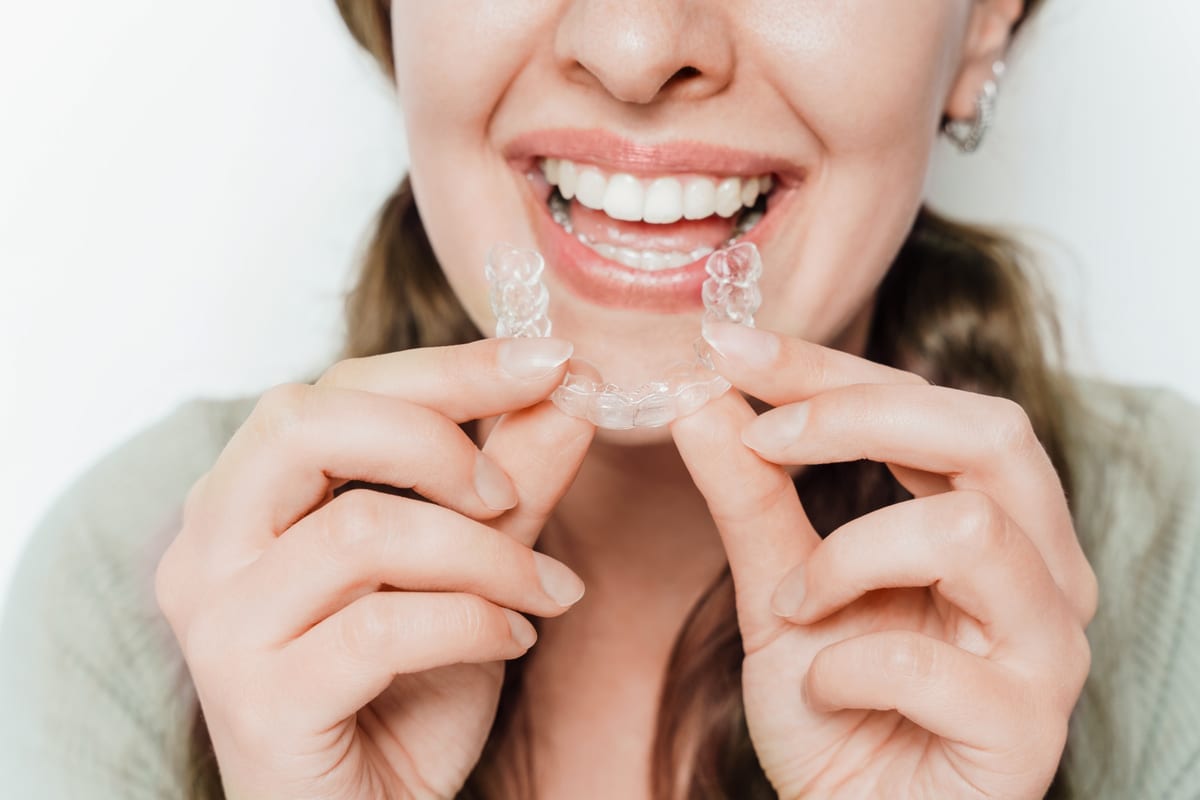
If you’ve started Invisalign treatment, you’ve probably asked yourself a simple question. Why do the aligners change every two weeks? Understanding why your Invisalign aligners change every two weeks in Stonegate can help you stay motivated and committed to your treatment plan. At Castlewood Dental in Parker, CO, Dr. Ben Sirrine walks every patient through this process so nothing feels mysterious or overwhelming.
The short answer is biology. Your teeth move in response to consistent, controlled pressure. Each new aligner applies that pressure at just the right angle and intensity. Together, the sequence of aligners guides your smile toward its final destination.
How Invisalign Moves Teeth Step by Step in Stonegate
Invisalign works through a series of custom-made plastic trays. Each tray is slightly different from the last. That small difference creates gentle but deliberate pressure on specific teeth. Over time, that pressure encourages the bone and tissue around your teeth to remodel and shift.
This process is called bone remodeling. It happens naturally when force is applied to a tooth over time. The cells on one side of the tooth break down bone. The cells on the other side build new bone. This biological cycle is what allows teeth to move safely and permanently.
Dr. Sirrine designs your treatment plan digitally before you ever wear your first aligner. Advanced software maps out each tiny movement from start to finish. Every aligner in the series represents one calculated step in that plan.
Why the Two-Week Schedule Matters for Your Treatment
The two-week timeframe is not arbitrary. It reflects how long bone remodeling takes to progress safely. Moving too fast could damage the roots of your teeth. Moving too slowly would extend your treatment unnecessarily.
Two weeks gives your teeth enough time to settle into each new position. It also gives the surrounding tissue time to stabilize before the next aligner applies fresh pressure. Think of it as a carefully timed relay race, with each aligner passing the baton to the next.
Here is what happens during a typical two-week aligner cycle:
- Days 1–3: Mild pressure and slight discomfort as teeth begin responding
- Days 4–7: Teeth settle into the new position with less discomfort
- Days 8–14: The position stabilizes and the aligner fits more loosely
- Day 14–15: You transition to the next aligner and the cycle begins again
Skipping ahead or stretching out the schedule can disrupt this timing. Always follow the plan Dr. Sirrine sets for you.
The Role of Attachments in Aligner Effectiveness
Some teeth need extra help moving in specific directions. That is where Invisalign attachments come in. Attachments are small, tooth-colored bumps bonded directly onto certain teeth. They give the aligner something to grip and push against.
Without attachments, some movements would be nearly impossible. Rotating a molar, for example, requires a very precise force. The attachment acts like a handle that allows the aligner to apply pressure at exactly the right angle.
Not every patient needs attachments. Dr. Sirrine evaluates your case individually. If attachments are part of your plan, they will be placed during one of your early appointments and removed when treatment is complete.
Here are common movements that often require attachments:
- Rotating teeth that face the wrong direction
- Extruding teeth that sit too low in the gumline
- Moving back teeth that are harder for aligners to grip
- Correcting significant overbites or underbites
What Are Refinements and Why Might You Need Them?
Sometimes teeth do not move exactly as predicted. Biology is not always perfectly predictable. When that happens, refinements are the solution. Refinements are a new series of aligners created after your initial series is complete.
They allow Dr. Sirrine to fine-tune the results and address any teeth that need additional movement. Getting refinements does not mean your treatment failed. It simply means your smile is being perfected with precision.
Refinements are part of the Invisalign process for many patients. They are especially common for complex cases or significant tooth movements. Dr. Sirrine will monitor your progress at each check-in appointment and determine if refinements are needed.
Your check-in visits at Castlewood Dental serve an important purpose. They allow Dr. Sirrine to confirm your teeth are tracking correctly. If adjustments are needed, catching them early keeps your treatment on schedule.
Invisalign as Part of a Complete Smile Plan
Invisalign does not exist in isolation. Many Stonegate patients combine it with other treatments for a complete transformation. For example, straightening your teeth first can make cosmetic treatments more effective and longer-lasting.
Patients who are interested in Cosmetic Dentistry often find that Invisalign creates the ideal foundation. A straight, aligned smile responds better to whitening and veneer placement. The results look more natural and balanced when the underlying alignment is correct.
Invisalign also fits seamlessly into a broader approach to Family Dentistry at Castlewood Dental. Dr. Sirrine treats patients of all ages, making it easy for the whole household to receive care in one trusted place. Teen and adult Invisalign options are both available.
Tips for Getting the Most From Your Aligner Schedule
Wearing your aligners for at least 20 to 22 hours per day is essential. Removing them too often slows down tooth movement. It can also throw off your two-week schedule and extend treatment time.
Clean your aligners every day with a soft brush and cool water. Avoid hot water, which can warp the plastic. Keep them in their case whenever you eat or drink anything other than water.
Switch to your next aligner at night before bed. This helps because mild initial discomfort often fades while you sleep. You wake up with the new aligner already settling into place.
If an aligner feels too tight after two weeks, contact Dr. Sirrine before switching. It may mean your teeth are not fully tracking yet. Skipping ahead in that situation can create gaps in your results.
Conclusion: Your Aligner Schedule Is Doing Exactly What It Should
Every two-week aligner change is a sign that your treatment is progressing exactly as planned. The science behind it is fascinating and reassuring. Dr. Ben Sirrine and the team at Castlewood Dental are here to guide every Stonegate patient through each step with confidence and clarity. Book Now to schedule your appointment with our team.
Frequently Asked Questions
Why do Invisalign aligners change every two weeks instead of longer?
Two weeks aligns with the natural pace of bone remodeling. Teeth need time to settle into each new position safely. Moving faster could stress the roots, while waiting longer would slow treatment unnecessarily.
What happens if I forget to wear my aligners for a day?
Missing a day can slow your progress and may mean your next aligner fits less precisely. Try to wear your aligners for 20 to 22 hours daily. If you miss significant time, contact Dr. Sirrine before switching to the next tray.
Do all Invisalign patients need attachments?
Not all patients need attachments. Dr. Sirrine evaluates each case individually. Attachments are used when specific tooth movements require extra grip or directional pressure that the aligner alone cannot provide.
How do I know if my teeth are tracking correctly with each aligner?
Your aligner should fit snugly but not painfully after the first few days. If it feels loose at the end of two weeks, that is normal. If it still feels very tight, your teeth may not be tracking fully and you should consult Dr. Sirrine before moving forward.
What are refinements and how long do they add to treatment?
Refinements are an additional set of aligners created after your initial series ends. They fine-tune any tooth movements that need correction. The length of time they add depends on the complexity of the adjustments needed, which Dr. Sirrine will review with you at your final stages of treatment.



Unable to locate Global Block : 1468