Get A Free Second Opinion Today!
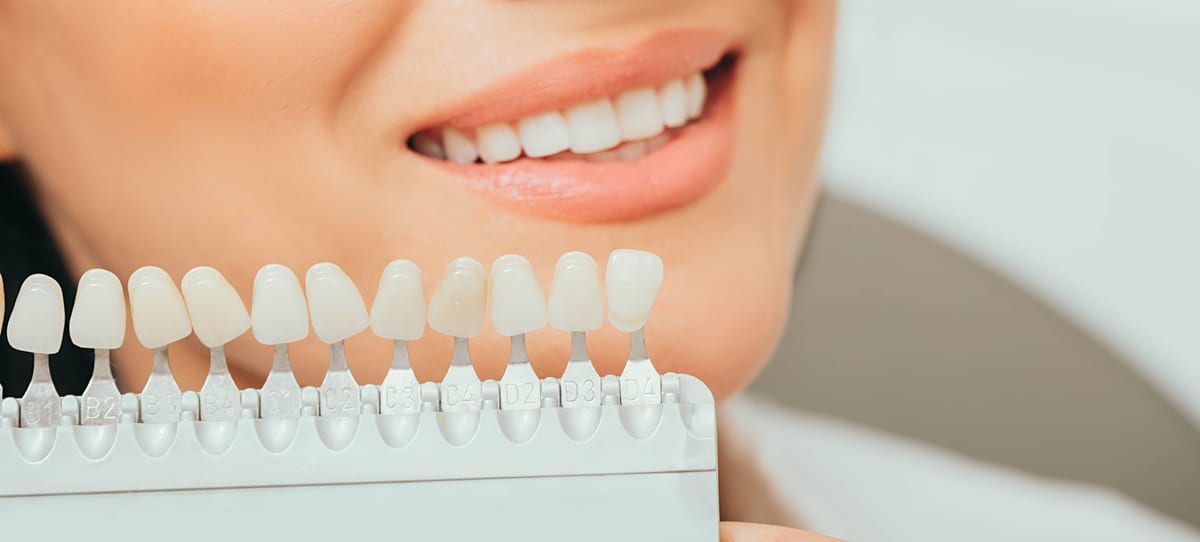
Thinking about veneers? You are not alone. Veneers are one of the most popular options in Cosmetic Dentistry for patients in Meridian and the surrounding Parker, CO area. But not everyone is an ideal candidate right away. Understanding the candidacy checklist can help you figure out where you stand before your first consultation. This guide walks you through the key factors Dr. Ben Sirrine at Castlewood Dental evaluates when assessing veneer readiness.
What Are Veneers and Who Are They For?
Veneers are thin, custom-made shells bonded to the front surface of your teeth. They correct cosmetic concerns like staining, chips, gaps, and mild misalignment. Because they are a cosmetic solution, they work best for patients whose underlying oral health is already stable. If you have active dental problems, those must be addressed first.
Veneers are not a one-size-fits-all treatment. The right candidate has specific tooth, gum, and bite conditions that support long-term success. Being honest about your habits and oral health history is a critical first step. That honesty helps Dr. Sirrine build a treatment plan that truly works for you.
Meridian residents asking are your teeth ready for veneers should use this checklist as a starting point. It covers the four major areas your dentist will evaluate. Think of it as a self-screening tool before your consultation.
Candidacy Checklist: Tooth Structure and Enamel Health
Veneers bond directly to your tooth enamel. Adequate enamel is essential for a strong, lasting bond. If too much enamel is lost due to erosion, grinding, or decay, the veneer may not adhere properly. This is one of the most important factors in the candidacy checklist for Meridian patients.
Your teeth must also have enough structural integrity to support a veneer. Severely broken-down teeth often need a crown instead. Teeth with large existing fillings may not bond as predictably. Ask yourself these questions about your tooth structure:
- Do my teeth have significant chips or fractures?
- Has a dentist ever mentioned enamel erosion?
- Do I have many large, old fillings on my front teeth?
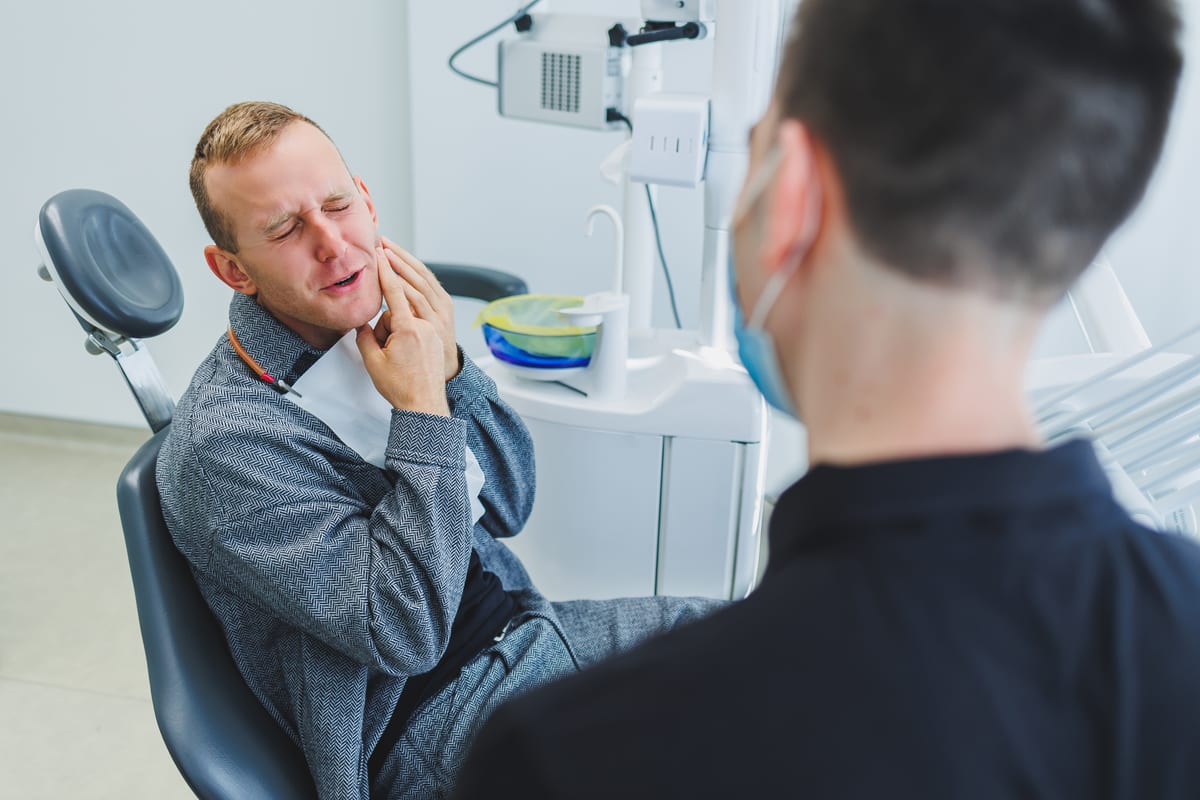
- Have I experienced tooth sensitivity to hot or cold?
If you answered yes to several of these, your teeth may need preparatory treatment first. That does not mean veneers are off the table permanently. It means your dentist will stabilize your teeth before proceeding.
Candidacy Checklist: Gum Health and Bite Considerations
Healthy gums are a non-negotiable requirement for veneer candidacy. Inflamed, bleeding, or receding gums signal active gum disease. Placing veneers on unhealthy gums leads to poor aesthetics and potential long-term failure. Gum health must be established before any cosmetic procedure begins.
Your bite — how your upper and lower teeth come together — also matters significantly. A misaligned bite places uneven pressure on veneers. Over time, that pressure can cause veneers to crack, chip, or debond. Dr. Sirrine carefully evaluates bite mechanics as part of every veneer consultation.
Consider these gum and bite questions in your self-screening:
- Do my gums bleed when I brush or floss?
- Have I been told I have gum disease or bone loss?
- Do I have an overbite, underbite, or crossbite?
- Does my jaw click or feel sore regularly?
A yes to any of these does not disqualify you permanently. Many patients complete gum therapy or orthodontic prep before getting veneers. The goal is building a healthy foundation first.
Habits That Affect Your Veneer Candidacy in Meridian
Your daily habits play a big role in veneer longevity. Certain habits can shorten the lifespan of your veneers significantly. Being honest about these habits during your consultation helps your dentist set realistic expectations. It also helps you make informed decisions about your smile investment.
Teeth grinding — called bruxism — is one of the most common habit concerns. Grinding places enormous pressure on porcelain, which can crack over time. Patients who grind often need a custom night guard to protect their veneers. Dr. Sirrine will screen for bruxism during your evaluation.
Other habits that affect candidacy include:
- Nail biting or chewing on pens and hard objects
- Using teeth as tools to open packages
- Frequent consumption of highly acidic foods and drinks
- Tobacco use, which can stain and weaken dental bonding
None of these habits automatically disqualify you. But addressing them before or alongside treatment improves your long-term outcome. Your dentist will discuss habit modification strategies as part of your care plan.
What to Expect at Your Veneer Candidacy Consultation
Your consultation with Dr. Ben Sirrine at Castlewood Dental is a thorough process. It goes well beyond looking at your smile in the mirror. The appointment typically includes X-rays, gum measurements, bite analysis, and photos. All of this data informs whether veneers are appropriate right now.
During the visit, Dr. Sirrine will explain every finding in plain language. You will understand exactly what is working in your favor and what may need attention first. This transparent approach helps Meridian patients feel confident and informed. You will never feel pressured to move forward before you are ready.
Patients who also benefit from routine care can explore our Family Dentistry services to ensure their whole household is cared for. Preventive care alongside cosmetic planning creates the best long-term outcomes. Combining these services under one roof in Parker, CO makes scheduling easy for busy families.
After your consultation, Dr. Sirrine will outline a custom treatment timeline. Some patients can begin veneer preparation within weeks. Others may need a few months of prep work first. Either way, you will leave with a clear roadmap to your ideal smile.
Frequently Asked Questions
Can I get veneers if I have crooked teeth?
Mild misalignment can sometimes be corrected with veneers. However, significant crowding or bite issues may require orthodontic treatment first. Dr. Sirrine will evaluate your specific case and recommend the best sequence of treatment for lasting results.
How long do veneers typically last?
Porcelain veneers generally last 10 to 15 years with proper care. Composite veneers may have a shorter lifespan of 5 to 7 years. Good oral hygiene, avoiding hard foods, and wearing a night guard if needed all help extend veneer longevity.
Will getting veneers hurt?
The veneer preparation process involves removing a thin layer of enamel. Local anesthesia is used, so you should feel minimal discomfort during the procedure. Some patients experience mild sensitivity afterward, but this typically resolves within a few days.
Are veneers reversible?
Traditional veneers are considered a permanent treatment because enamel is removed during preparation. This is why candidacy evaluation is so important before committing. Newer minimal-prep or no-prep veneers exist but are only suitable for select cases.
What if I am not a good candidate for veneers right now?
Not being ready today does not mean veneers are never possible for you. Dr. Sirrine can create a treatment plan to address the barriers first. Many patients complete gum therapy, cavity treatment, or orthodontics and return for veneers later with excellent results.
Your best smile starts with the right foundation. If you are a Meridian resident wondering whether veneers are right for you, schedule a consultation with Dr. Ben Sirrine at Castlewood Dental in Parker, CO. Book Now to schedule your appointment with our team.

Unable to locate Global Block : 1468