Get A Free Second Opinion Today!
Losing a tooth is more than just a cosmetic concern—it can quietly impact your oral health in ways many people don’t realize. If you’ve been putting off treatment, here’s something important to know: jawbone loss begins soon after a tooth is lost.
The good news? Modern dentistry offers a reliable solution. At Castlewood Dental in Parker, dental implants are helping patients protect not just their smiles—but their long-term oral health too.
Let’s break it down in a simple, relatable way.
What Really Happens After You Lose a Tooth?
When a tooth is removed or lost, the root that once stimulated your jawbone is gone. Without that stimulation, the bone in that area starts to shrink over time.
This process is called bone resorption, and it can lead to:
- Changes in your facial appearance (sunken look)
- Shifting of nearby teeth
- Difficulty chewing properly
- Weakening of the jaw structure
Many patients in Parker initially ignore a missing tooth because it doesn’t hurt—but months or years later, they notice bigger problems.
Quick question: Have you noticed your bite feeling slightly “off” or your face looking a bit different after losing a tooth? That could be early bone loss.
Why Jawbone Loss Matters More Than You Think
Jawbone loss doesn’t just stay in one spot—it can gradually affect your entire mouth.
Here’s how it can impact your daily life:
- Eating becomes harder – especially tougher foods like steak or crunchy vegetables
- Speech may change due to shifting teeth
- Facial structure weakens, making you look older than you are
- Future dental treatments become more complex
For many patients around Parker, this becomes noticeable when they delay replacing a missing tooth for too long.
How Dental Implants Prevent Bone Loss
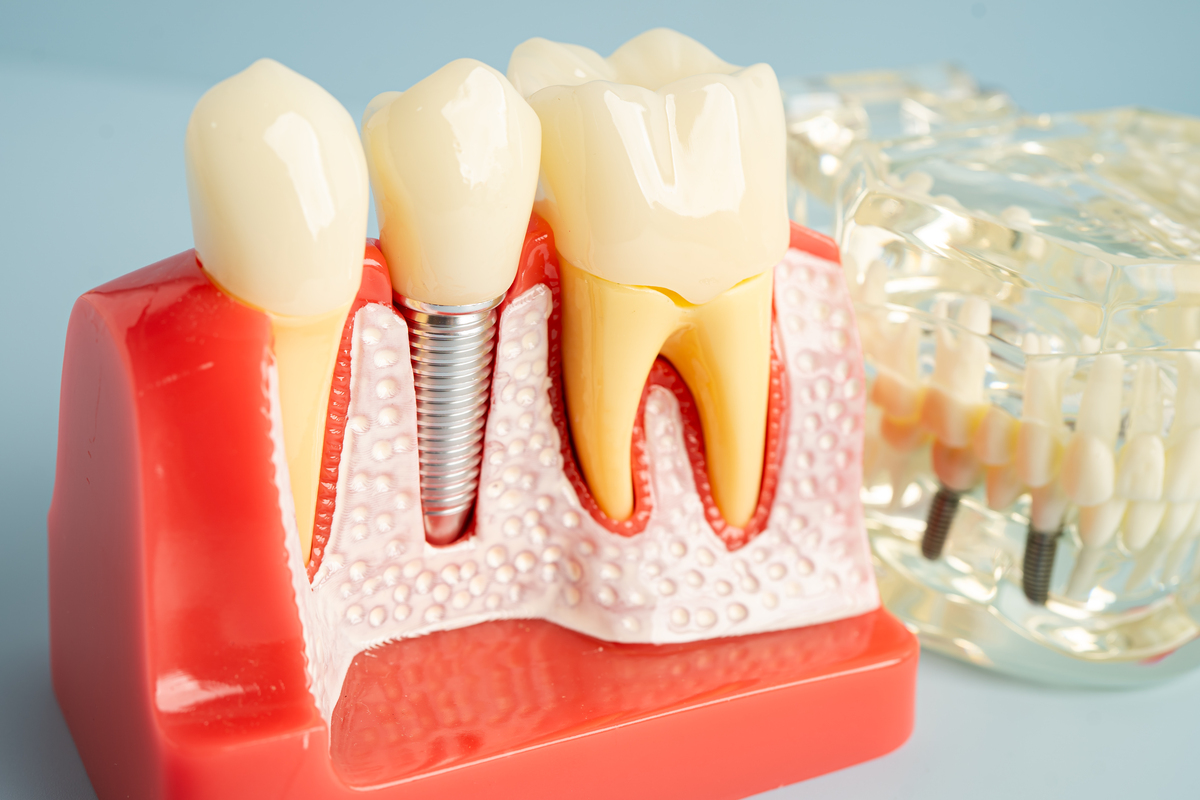
Dental implants are the only tooth replacement option that replaces both the crown and the root of a missing tooth.
Here’s why that matters:
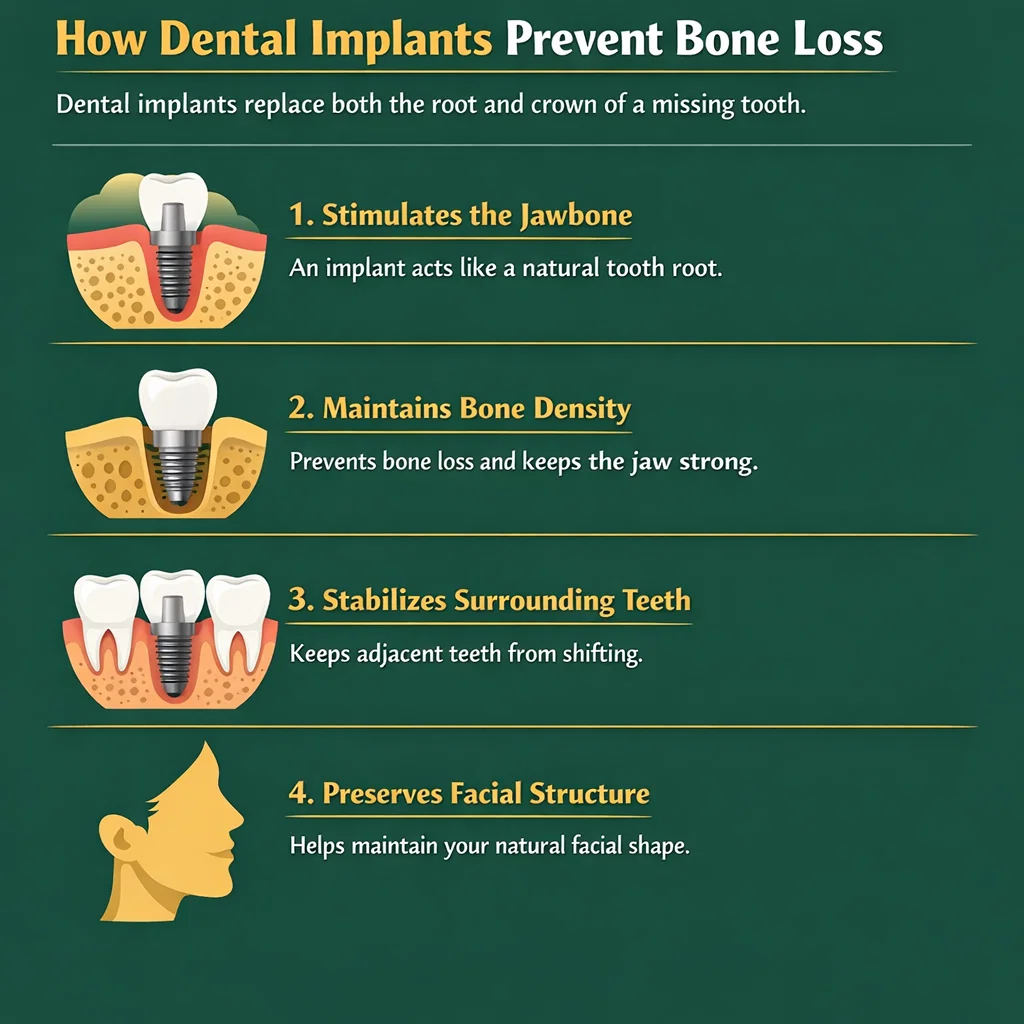
A dental implant is placed into your jawbone, where it acts like a natural tooth root. This stimulates the bone every time you chew, helping to:
- Maintain bone density
- Prevent further bone shrinkage
- Keep surrounding teeth stable
- Preserve your natural facial shape
Unlike dentures or bridges, implants don’t just sit on top—they actively support your jaw health.
Why Patients Are Choosing Dental Implants
Living in a growing, active community like Parker means people value both health and confidence. Whether you’re heading to work, meeting friends downtown, or enjoying outdoor activities, your smile plays a role in how you feel.
Patients at Castlewood Dental often choose implants because they:
- Feel and function like natural teeth
- Are long-lasting with proper care
- Eliminate the inconvenience of removable dentures
- Help maintain a youthful appearance
And let’s be honest—no one wants to worry about their teeth slipping while enjoying a meal at a local restaurant.
Signs You May Already Have Jawbone Loss
Not sure if this applies to you? Here are some common warning signs:
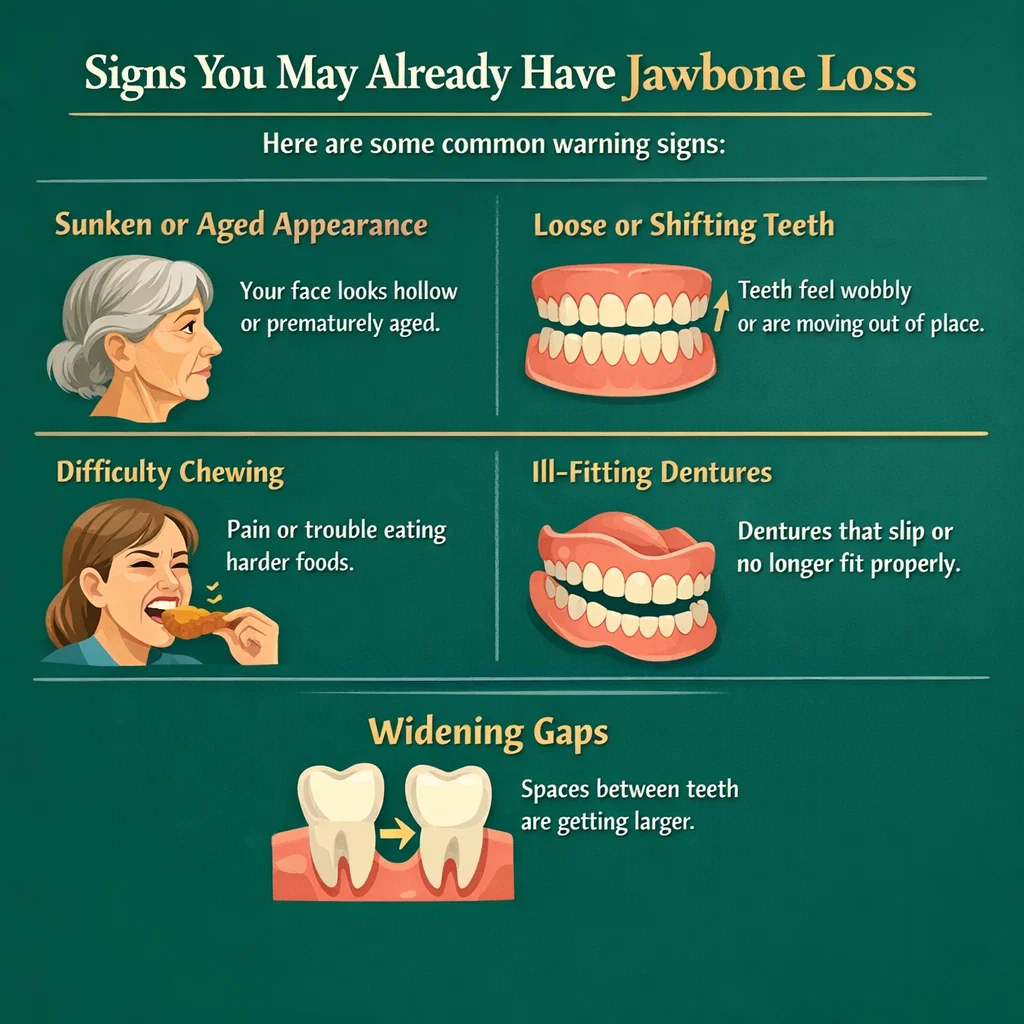
- A sunken or aged facial appearance
- Loose or shifting teeth
- Difficulty chewing certain foods
- Dentures that no longer fit well
- Noticeable gaps getting wider over time
If you’re experiencing any of these, it’s worth getting evaluated sooner rather than later.
What to Expect with Dental Implants at Castlewood Dental
If the idea of implants sounds intimidating, you’re not alone. Many patients feel the same way at first—but the process is more straightforward than most expect.
Here’s a simple overview:
1. Consultation & Planning
Your dentist evaluates your jawbone and overall oral health.
2. Implant Placement
A small titanium post is placed into the jawbone.
3. Healing Period
The implant naturally fuses with the bone (this is what prevents bone loss).
4. Final Restoration
A custom crown is placed, completing your smile.
Throughout the process, the team at Castlewood Dental focuses on comfort, clear communication, and personalized care.
Benefits of Acting Early
The sooner you replace a missing tooth, the better your outcome.
Early treatment helps you:
- Avoid bone grafting procedures later
- Reduce overall treatment time
- Maintain natural facial structure
- Save money in the long run
Waiting too long can limit your options—something many patients wish they had known earlier.
Simple Tips to Protect Your Jawbone Health
Even if you’re still considering your options, here are a few steps you can take now:
- Don’t ignore missing teeth—schedule a consultation
- Maintain good oral hygiene
- Avoid smoking, which accelerates bone loss
- Eat a balanced diet rich in calcium and vitamins
- Keep up with regular dental visits
Take the First Step Toward a Healthier Smile
Jawbone loss doesn’t have to be part of your future. The sooner you act, the more you can protect your smile, your confidence, and your overall oral health.
If you’ve been living with a missing tooth or struggling with dentures, now is the time to explore a better solution.
Schedule your consultation with Castlewood Dental in Parker today and find out if dental implants are right for you.
FAQs About Dental Implants & Jawbone Loss
1. How fast does jawbone loss happen after tooth loss?
Bone loss can begin within the first few months and continues over time if the tooth isn’t replaced.
2. What if I already have bone loss?
In many cases, bone grafting can rebuild the area and make implants possible.
3. How long do dental implants last?
With proper care, implants can last decades—often a lifetime.
4. Are dental implants painful?
Most patients report minimal discomfort. The procedure is typically easier than expected, and recovery is manageable.
Related Articles
Unable to locate Global Block : 1468