Get A Free Second Opinion Today!


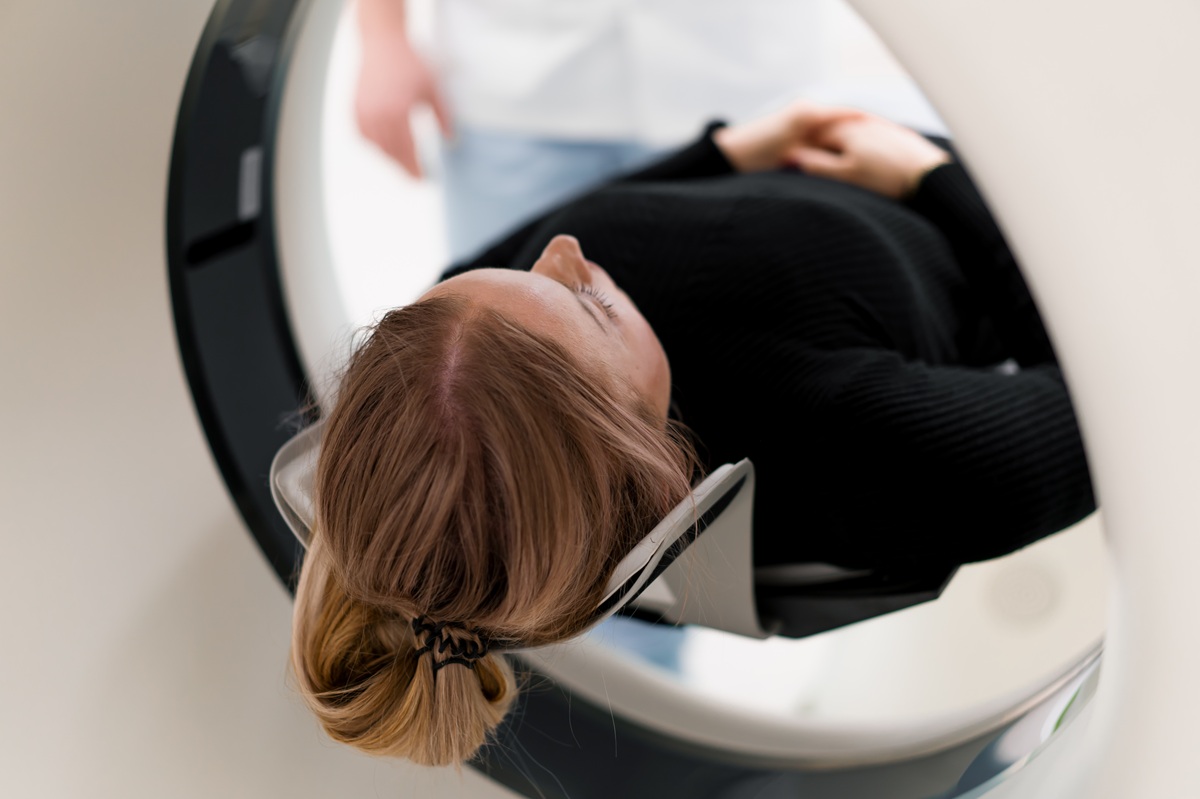
If you have dental implants and need an MRI, you may wonder about the safety of both procedures. Are dental implants an obstacle during an MRI? It’s a question many people have, and the good news is that for most patients, it’s not something to worry about. This blog is here to provide clarity on whether dental implants pose any risks during an MRI and how they interact with the procedure.
Given that dental implants have become a popular solution for missing teeth, it’s important to understand how they work with imaging techniques like MRI, which are commonly used for diagnosing health conditions. Whether you’re a long-time implant patient or considering getting implants, understanding this relationship can help you make informed decisions about your healthcare.
What Are Dental Implants?
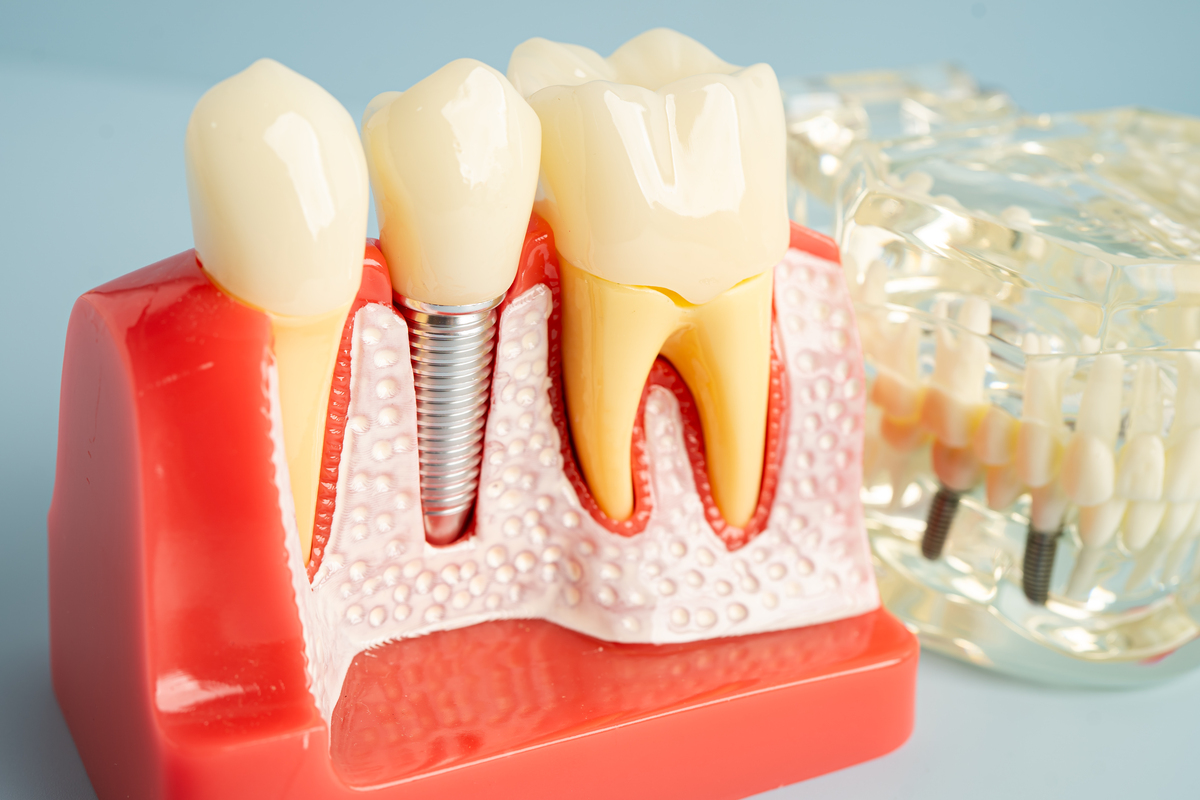
Dental implants are titanium posts that act as replacements for tooth roots, serving as a strong foundation for permanent or removable replacement teeth. Unlike dentures, which sit on top of the gums, dental implants are surgically embedded into the jawbone, providing a sturdy and long-lasting solution for those who have lost teeth.
The process of getting dental implants typically involves two main steps: the placement of the implant post, followed by the attachment of a crown, bridge, or denture that mimics the appearance of natural teeth.
The materials used in dental implants play a significant role in their safety and compatibility with various medical procedures, including MRIs. The most common material used in dental implants is titanium, known for its strength, durability, and biocompatibility.
Titanium is a non-corrosive metal that bonds well with the jawbone, creating a stable foundation for the replacement tooth. It’s also lightweight and does not interfere with most diagnostic imaging, including MRI scans.
In some cases, ceramic materials may also be used for implants, especially for patients who may have allergies to metals or prefer a more aesthetic option. Ceramic dental implants are a popular choice for those looking for a metal-free alternative. While these implants are strong and durable, they are non-metallic and do not pose any magnetic risks in an MRI, making them an excellent choice for MRI compatibility.
Dental implants offer patients improved functionality and aesthetics, allowing them to smile and chew comfortably. However, the question arises: will these implants cause issues when undergoing MRI scans?
How MRIs Work
MRI, or Magnetic Resonance Imaging, is a non-invasive diagnostic tool used by healthcare professionals to obtain detailed images of the inside of the body. MRI machines use powerful magnetic fields and radio waves to create these images. Unlike X-rays or CT scans, which rely on radiation, MRIs are considered safe for most patients because they do not involve exposure to potentially harmful radiation.
During an MRI, the body is placed inside a large magnet, which creates a magnetic field. The magnetic field causes the nuclei of atoms in the body to align, and when these atoms are exposed to a pulse of radio waves, they emit signals. These signals are then processed by the MRI machine to produce high-resolution images of the body’s internal structures. This process allows doctors to examine organs, tissues, and bones in great detail, helping to diagnose a wide range of medical conditions.
For patients with metal implants, including dental implants, the primary concern during an MRI is whether the metal will interact with the magnetic field. Metal objects can become magnetized, which might cause them to move or heat up during the scan. This is why patients are typically asked about any implants, including pacemakers or metallic surgical staples, prior to undergoing an MRI.
The Interaction Between Dental Implants and MRIs
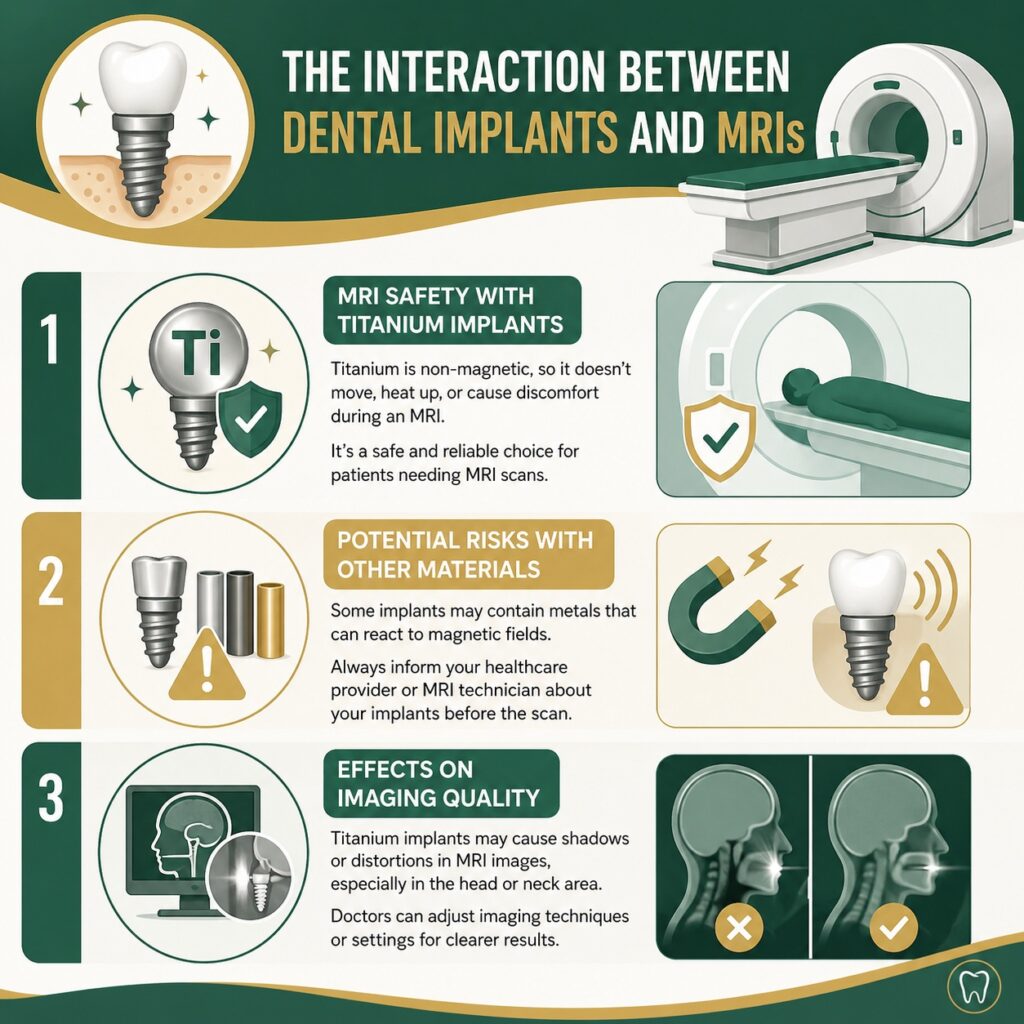
MRI Safety with Titanium Implants
The good news is that titanium, the most commonly used material in dental implants, is generally safe during an MRI. Titanium is a non-magnetic metal, which means it does not respond to the magnetic field created by the MRI machine.
As a result, titanium dental implants will not move, heat up, or cause discomfort during an MRI. This makes them an ideal material for patients who may require frequent MRI scans, ensuring there are no risks or complications.
Potential Risks with Other Materials
While titanium implants are MRI-friendly, not all dental implants are made from this material. In rare cases, dental implants may contain other metals that could potentially interfere with the MRI.
For example, some dental implants may be made from alloys that contain small amounts of ferromagnetic metals, which are attracted to magnets. While this is a rare occurrence, it’s always important to inform your healthcare provider or MRI technician about your implants beforehand to ensure the safety of your procedure.
Effects on Imaging Quality
Another consideration when undergoing an MRI with dental implants is the potential effect they may have on the quality of the images. While dental implants made of titanium are safe, they can sometimes create shadows or distortions in the MRI images, particularly in scans of the head or neck.
This may not pose any risk to your health, but it could complicate the diagnostic process in some cases. In these instances, your doctor may use different imaging techniques or adjust the MRI settings to compensate for the presence of the implant.
Precautions to Take Before an MRI with Dental Implants
Before undergoing an MRI, it’s crucial to inform the MRI technician or doctor about any dental implants in Parker you have. By notifying them ahead of time, they can ensure that the MRI procedure is conducted safely and take any necessary precautions. Additionally, your healthcare provider may recommend adjusting the imaging settings or using alternative imaging methods to obtain the clearest possible results.
It’s also advisable to consult with your dentist or healthcare provider before scheduling an MRI. If you have concerns about your implants and the potential impact on the MRI, they can provide guidance and may suggest alternative imaging techniques if necessary. For example, some patients with dental implants may be better suited for a CT scan or another imaging method that provides clear results without the interference of metal implants.
Additionally, depending on the location of your dental implants, certain parts of your body may require special consideration. Implants in the jaw or upper teeth may not significantly affect scans of the lower body, but scans of the head, neck, or chest may require more specialized equipment or adjustments to avoid interference with the implant.
Are There Any Exceptions?
While titanium implants are generally safe for MRI scans, there are some exceptions. For instance, dental implants made from metals containing ferromagnetic materials may pose a risk during an MRI. These materials can potentially interact with the magnetic field and cause movement or heating, which could lead to complications. However, these types of implants are extremely rare, and most dental implants used today are made from MRI-safe titanium.
Patients with other medical devices, such as pacemakers, cochlear implants, or electrical components, should also be aware that these devices can pose risks during an MRI. It’s essential to inform your healthcare provider about all implants or devices you have before undergoing the procedure.
In most cases, dental implants, especially those made of titanium, do not pose any risks when undergoing an MRI. These implants are designed to be MRI-safe, allowing you to undergo diagnostic imaging without complications. However, it’s always important to communicate with your dentist and MRI technician before the procedure to ensure that everything goes smoothly. If you have concerns about your dental implants or need additional clarification, don’t hesitate to reach out to Castlewood Dental for a consultation. We’re here to ensure your dental health is maintained, no matter what medical procedure you need to undergo.
What People Ask
Can dental implants cause pain during an MRI?
Dental implants made from titanium or ceramic do not cause pain during an MRI, as they don’t react to the magnetic field.
Should I tell my MRI technician about my dental implants?
Yes, always inform your MRI technician about your dental implants to ensure safe scanning and adjustments, if necessary.
Can MRI cause my dental implant to move?
Titanium implants are non-magnetic, so they won’t move during an MRI. Implants made from other materials may pose a small risk, but this is rare.
What happens if I have a magnetic dental implant?
Magnetic dental implants are very rare, but if you have one, you should consult with your dentist or technician before undergoing an MRI to avoid potential risks.
Does MRI interfere with the function of dental implants?
No, MRIs do not interfere with the function of dental implants. They are safe and do not cause any mechanical issues with the implant.
Unable to locate Global Block : 1468